
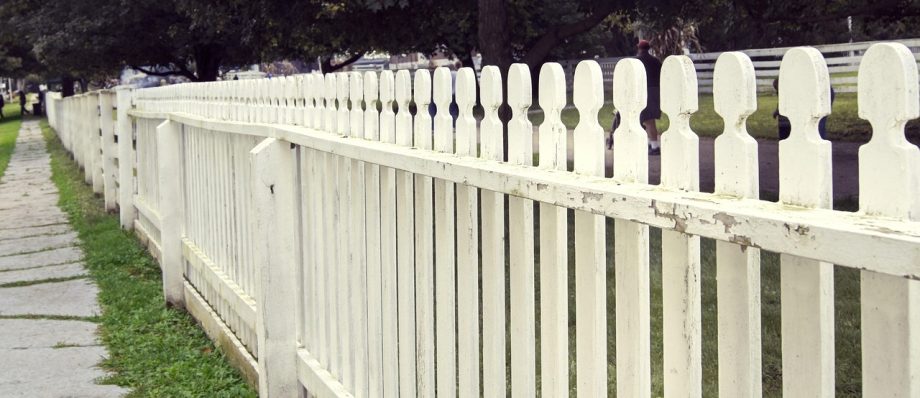
UAE pool fencing laws: what homeowners need to know
Every private pool in Dubai has to be registered with Dubai Municipality before construction begins, and fencing is one of the specific requirements checked as part of that process. It’s also one of the most commonly overlooked rules, since it’s easy to assume a pool is compliant just because a contractor built it.
Here’s what’s actually required, based on Dubai Municipality’s published guidelines.
The core requirement: a minimum 1.2 metre barrier
Dubai Municipality requires private swimming pools to be enclosed by a barrier at least 1.2 metres high, whether that’s a dedicated fence, a wall, or another form of enclosure. This isn’t a suggestion. It’s a documented requirement tied to the Local Orders that govern pool construction in Dubai (Local Order 11/2003 and Local Order 61/1991), and it applies regardless of whether the pool is new or was built years ago.
Gates have their own rules
A fence alone isn’t enough if the gate defeats the purpose. Gates need to be self-closing and self-latching, and they’re required to open away from the pool rather than toward it. The idea is straightforward: a child pushing against a gate shouldn’t be able to open it by accident.
Materials and design
The barrier has to be built from materials that can’t easily be climbed, with no gaps large enough for a small child to squeeze through and no horizontal elements that essentially form a ladder. Sharp edges or protruding hardware aren’t permitted either, since the fence itself shouldn’t create a separate injury risk.
It’s not just about the fence
A few related requirements often get missed. Windows that open directly onto the pool area need a sill height of at least 1,200mm above the indoor floor level, on the same logic as the fencing requirement. Balconies located within 900mm of the pool enclosure need a compliant balustrade. Safety signage warning against diving in shallow areas is also expected, in both Arabic and English.
Who enforces this, and what happens if you’re not compliant
Dubai Municipality’s Health and Safety Department oversees residential pool compliance, with Dubai Civil Defence involved on the fire and emergency-response side. Pools are meant to be registered before construction and are subject to inspection. If you’re planning any modification to an existing pool, including something as simple as changing the fencing, that also needs Municipality approval rather than just being handled by whichever contractor you hire.
If you bought a villa with an existing pool
Not every pool changes hands with documentation proving it meets current fencing standards, particularly older properties. If you’ve bought a villa with a pool already in place, it’s worth having a contractor or the Municipality confirm the existing enclosure actually meets the 1.2 metre requirement, rather than assuming it does because the pool was there when you moved in.
This is general information based on Dubai Municipality’s published safety guidelines, not legal advice specific to your property. Requirements can be updated, and the details of what applies can depend on your specific pool and property type. For anything beyond general awareness, confirming directly with Dubai Municipality or a contractor familiar with current requirements is worth the extra step.